“Like Buying Cats in the Bag”: Lack of Transparency, Middlemen Inflate Costs and Undermine Progress
by Nabila Fisra Hawali | 08 Mei 2025 | Publikasi | 12 Comments
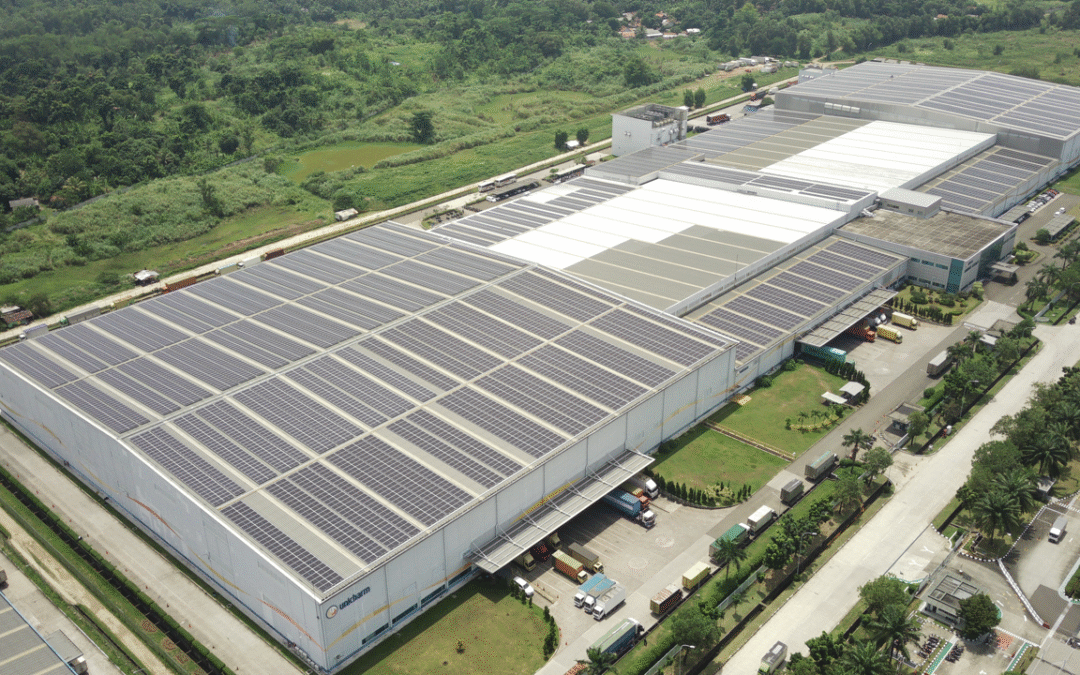
REBANA, May 2025 — As Indonesia pushes forward with its climate ambitions and net zero targets, businesses in the Rebana Metropolitan Region are taking the first tangible steps toward energy transition. Among the pioneers is PT Pesta Pora Abadi, the parent company of the widely recognized Mie Gacoan brand, which is currently allocating part of its infrastructure budget to develop on-site solar energy systems.
The company’s move signals a growing trend among industrial players to take climate action seriously. However, PT Pesta Pora Abadi’s experience also illustrates the systemic barriers that threaten to undermine momentum in the private sector’s clean energy adoption. “We’ve already conducted feasibility assessments and budgeted for solar panels.
“We’ve already conducted feasibility assessments and budgeted for solar panels. But what we’ve encountered is a convoluted procurement environment riddled with intermediaries, which inflates project costs and deters clean investment. We need a stronger policy framework to protect and incentivize those making real contributions to the transition,” said a representative from PT Pesta Pora Abadi.
The issue raised is not isolated. Developers and industries in the Rebana region have observed a lack of market transparency and dominance of brokers in the solar PV supply chain. These “makelar” actors often drive up prices without providing technical value, distorting the true cost of solar infrastructure and disincentivizing adoption at scale.
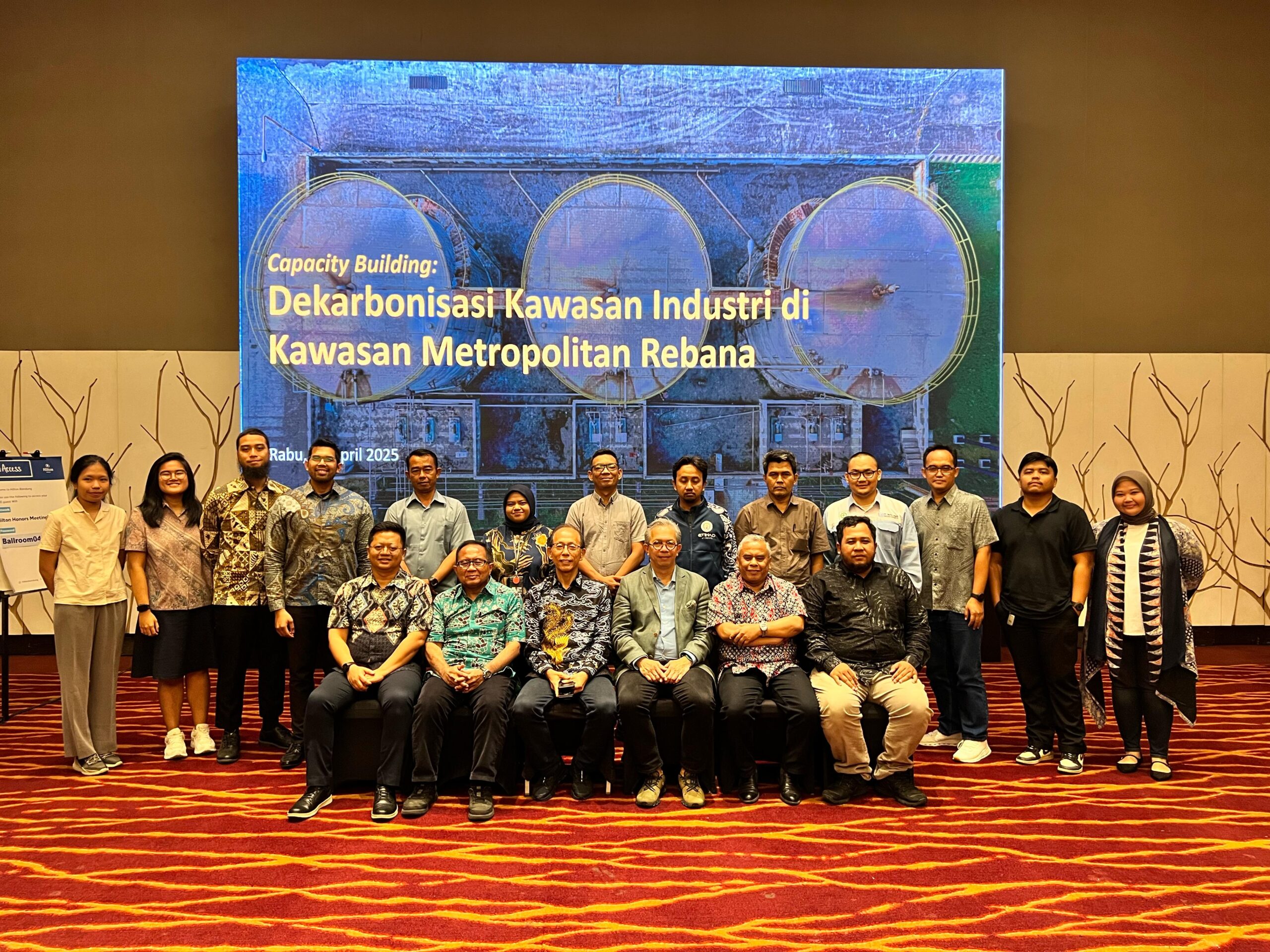
WRI Indonesia, working in close collaboration with BP Rebana and local industrial stakeholders to identify financing models that accommodate performance risk (30th April 2025).
WRI Indonesia, working in close collaboration with BP Rebana and local industrial stakeholders to have identified that the solar PV market in industrial zones remains underdeveloped due to unstandardized pricing, weak procurement governance, and limited access to financing models that accommodate performance risk.
“In cases where solar providers inflate prices, one possible response is to break down the proposal into more granular cost components,” said a technical advisor from WRI Indonesia. “Leasing schemes could also be a solution. In a well-structured performance-based model, tech providers absorb the cost risks if promised savings aren’t realized. Strong financial backing from providers is essential to make this work.”
The situation highlights a broader policy gap. While Indonesia has ratified the Paris Agreement and announced a net zero goal by 2060, industrial zones like those in Rebana still lack enabling regulations and targeted incentives that facilitate clean energy adoption at the estate and tenant levels.
“We believe investment should be met with reciprocal support—whether through guarantees, policy clarity, or removal of unnecessary intermediaries,” the Gacoan representative added. “This should be a two-way street.”
PT Pesta Pora Abadi is not just a restaurant business. With thousands of employees and operations spanning supply chain management, production, and distribution, the company represents the scale and complexity of energy demand in fast-growing industrial consumer sectors.
According to WRI Indonesia, the lessons from the Gacoan case can inform policy reform and pilot programs that create clear investment-grade conditions for solar PV in industrial zones. These include the development of estate-wide energy management systems, competitive and transparent solar procurement platforms, and capacity-building for local governments.
The Rebana region—with its strategic industrial clusters and expanding infrastructure—holds vast potential to lead Indonesia’s clean energy transition. But success will depend on both public-private alignment and market corrections that remove friction for first movers like PT Pesta Pora Abadi.